
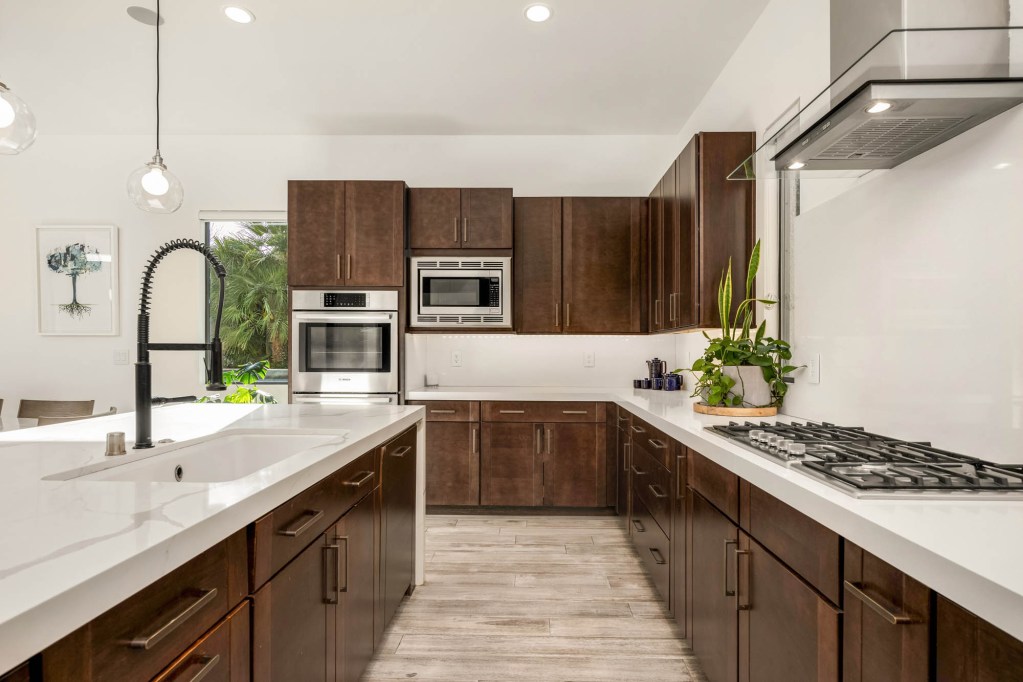
Introduction: Why Understanding These Styles Matters
When redesigning your home, understanding the differences between modern vs. contemporary interior design is essential for making thoughtful and lasting design choices. While both styles embrace simplicity and elegance, they differ significantly in historical background and design philosophy. Recognizing these differences helps you curate a space that reflects your lifestyle and aesthetic preferences. Whether you’re refreshing a modern interior design bedroom or creating a dynamic contemporary interior design for a living room space, knowing which style to embrace can transform your home into a true reflection of who you are.
Modern Interior Design: Timeless Elegance Rooted in Simplicity
Origins & Historical Context
Modern interior design originated in the early 20th century, drawing inspiration from the German Bauhaus movement and Scandinavian minimalism. This style champions the principle that form follows function, creating uncluttered and highly practical living environments. Homes designed with modern design ideas prioritize open spaces and clean architectural lines that highlight simplicity and natural beauty.
Color Palette & Materials
If you’re exploring modern interior design paint colors, think in terms of calming neutrals like beige, soft gray, ivory, and muted earth tones. These colors evoke serenity and timelessness, making them perfect for bedrooms and living rooms. The materials used in modern spaces emphasize natural beauty, with polished concrete floors, warm walnut woods, and soft leather upholstery being popular choices. This combination of muted tones and organic textures creates a calming atmosphere ideal for a modern interior design living experience.
Furniture & Décor Elements
In modern interiors, furniture is both functional and iconic. Signature pieces like the Eames Lounge Chair and the Barcelona Couch not only serve practical purposes but also stand out as timeless design statements. Décor remains minimal, often featuring one or two impactful art pieces rather than an overwhelming collection. Natural light is also a key element, with large windows left uncovered to illuminate every corner of the home.
Exploring Contemporary Interior Design: The Art of Staying Current
Definition & Evolving Nature
Unlike modern design, which is anchored to a specific historical period, contemporary interior design is fluid and constantly evolving. It reflects the latest trends and embraces current innovations, making it perfect for homeowners who enjoy regularly updating their spaces. A contemporary interior design home feels fresh, bold, and open to experimentation with new materials, technologies, and artistic expressions.
Color Palette & Materials
In a contemporary interior design style, interiors often start with a neutral foundation, such as shades of white, cream, and soft gray. Vibrant pops of color like navy blue, emerald green, and burnt orange are then added through accent pieces and focal walls. Materials lean toward sleek and polished finishes, including glass, stainless steel, and natural stone, creating a sophisticated and high-end atmosphere.
Furniture & Décor Elements
Furniture in contemporary spaces is characterized by smooth, curved lines and sculptural designs. This contrasts sharply with the sharper angles found in modern design. You’ll frequently see oversized abstract art, bold statement lighting, and carefully chosen furniture pieces that serve as functional art. These details create visually engaging where every piece contributes to the overall aesthetic. For the latest décor trends, check out Architectural Digest’s Latest Trends.
Modern vs. Contemporary Design: Key Differences Explained
When comparing contemporary vs modern interior design, the differences become clear through their history, materials, and execution. Modern design is rooted in early 20th-century ideals, embracing simplicity, function, and natural materials. Its warm and grounded aesthetic is perfect for those seeking timeless elegance in their homes. You’ll often see clean lines, neutral color palettes, and iconic furniture that remains stylish through the decades.
In contrast, contemporary interior design is all about staying relevant and ahead of design trends. This style often incorporates bold colors, experimental textures, and dramatic focal points, resulting in homes that feel lively and current. Contemporary spaces are more willing to break traditional design rules, blending a variety of materials and finishes to create visually exciting environments. Whether you’re exploring options for a modern vs contemporary home, understanding these fundamental differences will help you choose a style that fits your lifestyle and personal taste.
How to Choose the Right Style for Your Home
If you prefer a calm, organized living space that won’t feel outdated over time, modern interior design is likely your best option. Its timeless appeal and focus on functionality make it especially well-suited for relaxing bedrooms and efficient living spaces. In fact, modern interior design for small house environments can help maximize space and create a sense of openness through smart, minimalist layouts.
However, if you enjoy expressing your personality through bold design choices and regularly refreshing your décor, contemporary interior design is a perfect fit. With this style, you can easily introduce exciting new trends, materials, and vibrant color schemes. Whether you’re updating a bedroom or transforming your contemporary interior design home, the contemporary approach offers endless creative possibilities.
Some homeowners find the ideal solution lies in blending these two styles. Start with a modern architectural foundation featuring open layouts and neutral color schemes, then incorporate contemporary accents through colorful art, statement lighting, and bold furniture. This balanced approach results in a living space that feels both timeless and trendy.
The Role of Lighting in Modern and Contemporary Design
Lighting plays a crucial role in defining both modern interior design and contemporary interior design spaces. In modern homes, natural light is emphasized through large windows and open layouts, creating warm, inviting environments. Contemporary spaces, however, often feature bold, artistic lighting fixtures that serve as statement pieces. Whether you’re designing a chic modern or a sleek contemporary interior design home, choosing the right lighting can enhance the atmosphere and highlight key design elements, making your space both functional and visually stunning.
Final Thoughts: Create a Space That Feels Like Home
Whether you embrace the clean simplicity of modern interior design or the bold innovation of contemporary interior design, the ultimate goal is to create a home that reflects your individuality. At Fredric Alexander, we’ll help you curate elevated home furnishings and thoughtful design solutions that bring sophistication and character to any space. Turning any home into a beautiful, balanced sanctuary where style and comfort meet seamlessly.