
Introduction
As we move into 2025, design is entering a new era that blends elevated aesthetics with functional intelligence. More than ever, people seek homes that nurture well-being, tell their stories, and integrate seamlessly with modern technology. Whether you’re refining a drawing room, planning the design for a bedroom, or exploring how interior design AI can shape smarter homes, understanding current design directions is essential. FredricAlexander presents this guide to help you navigate the landscape of what’s emerging and what’s fading in design.
What’s In: Design Trends Dominating 2025
Biophilic Design and Nature-Inspired Interiors
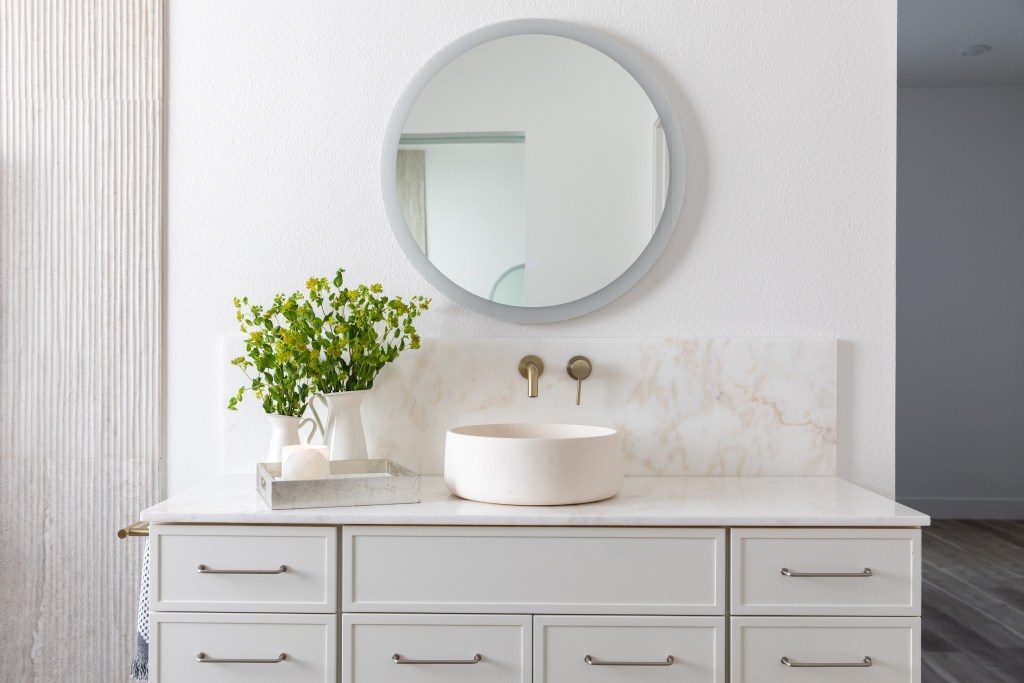
Biophilic design becomes a core principle in 2025. Interiors now favor raw, organic materials such as reclaimed wood, travertine, rattan, and linen. Large windows and open plans invite natural light, while lush indoor plants and earthy textures redefine indoor-outdoor living. These elements encourage relaxation and mindfulness, offering a form of wellness that is both visual and tactile.
Curves, Arches, and Organic Forms
The rise of curves, arches, and organic forms speaks to a shift in how we experience space. Rounded furniture, arched doorways, and sculptural pieces not only feel comforting but also enhance the visual harmony of a room. This design approach is increasingly present in all interior design styles, adding elegance and softness.
Warm Earth Tones and Deep Neutrals
Color palettes are moving away from cool grays toward rich earth tones like terracotta, clay brown, sage green, and ochre. These shades bring depth, intimacy, and a grounded feel to any room, particularly enhancing interior design for bedroom settings.
Multifunctional and Adaptive Spaces
Modern homes demand flexibility. Rooms are now designed to serve multiple purposes, such as a drawing room that becomes a meditation space or a guest bedroom that doubles as a home office. This practical luxury reflects the growing popularity of adaptive interior design trends.
Sustainable and Mindful Materials
Sustainability is essential in today’s design ethos. Designers now prioritize low-VOC paints, biodegradable fabrics, and handcrafted furniture. These choices align with both aesthetic refinement and ethical living.
Ceilings and Floors as Statement Features
Ceilings and floors are no longer ignored. From hand-painted motifs to coffered ceiling panels and patterned tiles, these surfaces now serve as design centerpieces that enhance storytelling throughout a space.
Custom and Artisan-Made Furniture
Homeowners are turning to bespoke craftsmanship for uniqueness and authenticity. Interior design images featuring handmade decor and furniture resonate deeply in 2025, as they reflect individuality and legacy.
Tech-Integrated Living Spaces
Technology enhances luxury without disrupting design. Features like voice-activated lighting, climate control, and AI-generated layouts help interior design AI move into everyday living. This seamless integration supports both comfort and elegance.
Vintage Revival: The Return of the 70s and 80s
Retro is back in sophisticated form. Expect to see velvet upholstery, brass fixtures, smoked glass, and lacquer finishes. This modern twist on vintage design adds glamour and drama to contemporary homes. Explore iconic retro furnishings.
What’s Out: Trends Losing Steam in 2025
All-White Interiors
The sterile, monochrome look is fading. Designers and clients now seek warmth, emotion, and personality in their spaces. Rich tones and layered palettes are proving far more engaging.
Fast Furniture and Disposable Decor
The age of cheap, short-lived furniture is ending. Consumers are investing in lasting, high-quality designs that support both sustainability and style.
Industrial Aesthetics
Raw concrete, exposed pipes, and steel surfaces are being replaced with softer, cozier textures. The focus is shifting toward warmth, comfort, and livability.
Hyper-Minimalism
Excessive minimalism, which leaves rooms feeling cold and impersonal, is falling out of favor. Instead, people are opting for curated spaces filled with meaningful items that tell a story.
Matching Furniture Sets
Uniformity is no longer desirable. Interior design styles now embrace a mix of materials, finishes, and time periods to create layered, personalized interiors.
Applying the Trends to Your Home
Adopting the design trends of 2025 doesn’t require a full renovation. Start by changing color schemes, incorporating indoor plants, or selecting an artisan-crafted decor piece. You might update textiles with richer textures or introduce natural materials like wood and stone. These subtle adjustments can breathe new life into a space.
Creating a Personalized Space in 2025
Design in 2025 is not about blindly following trends—it’s about creating spaces that reflect your personality, values, and lifestyle. From eco-conscious materials to AI-enhanced layout planning, today’s interior design tools empower homeowners to be both designers and storytellers. Whether you’re refreshing a drawing room or planning interior design for bedroom tranquility, the key is to balance innovation with authenticity. Use textures, lighting, and art to build depth, warmth, and meaning. This year, embrace trends not just for aesthetic appeal, but to create a home that feels intentional, expressive, and unmistakably yours.
Final Thoughts
Design in 2025 embraces personalization, sustainability, and intelligent beauty. The shift from sterile minimalism to nature-inspired elegance reflects a broader desire for authenticity and emotional connection. Whether you’re planning a design for bedroom retreats or curating a drawing room, the design choices you make this year should reflect who you are and how you want to live. At FredricAlexander, we invite you to explore this evolution with us and bring these trends to life in your home.